Vintage Cowboy: The Ultimate Western Display Font
If you are looking to inject rugged authenticity into your next creative project, Vintage Cowboy is a standout choice. This bold western-style display font captures the spirit of the Old West with its distressed texture and strong serif shapes. For designers seeking that perfect saloon aesthetic, the ability to download Vintage Cowboy font free for personal trials or purchase a commercial license makes it an accessible asset. Whether you are designing a whiskey label or a rustic wedding invitation, this typeface delivers immediate visual impact.
Introduction: What is Vintage Cowboy?
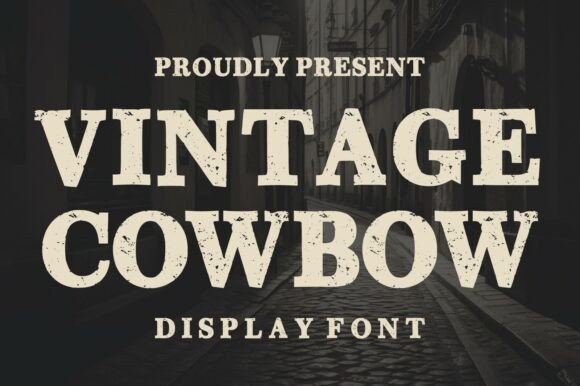
Vintage Cowboy is more than just a novelty typeface; it is a carefully crafted premium Display font inspired by classic cowboy signage and old saloon lettering. Unlike clean, modern sans-serifs, this font embraces imperfection. The rugged distressed texture mimics the wear and tear of hand-painted signs from the 19th century, giving it a soulful, historical presence. When you explore options to Vintage Cowboy free download, you are accessing a tool that bridges the gap between historical accuracy and modern design versatility. It stands out in the crowded market of western fonts by balancing readability with authentic grunge details.
Design & Style Analysis
The visual personality of Vintage Cowboy is assertive yet nostalgic. It does not shy away from bold statements, making it ideal for headlines that need to command attention.
Letterforms and Texture
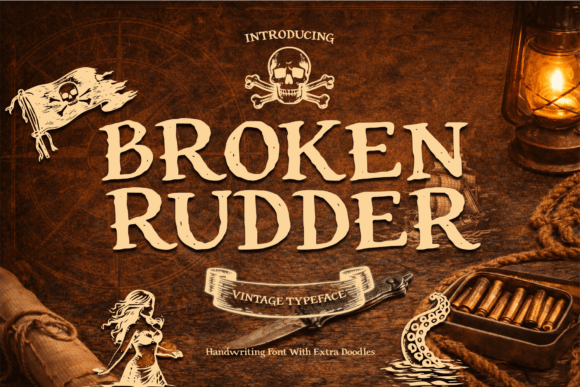
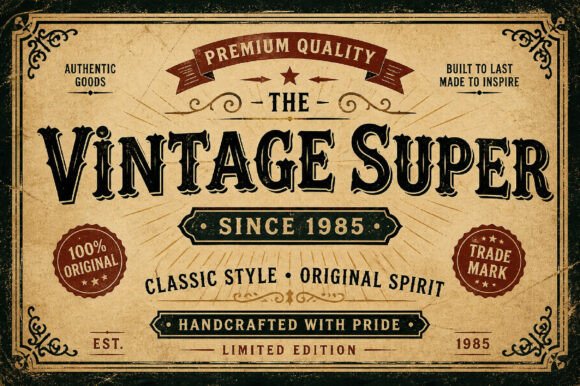
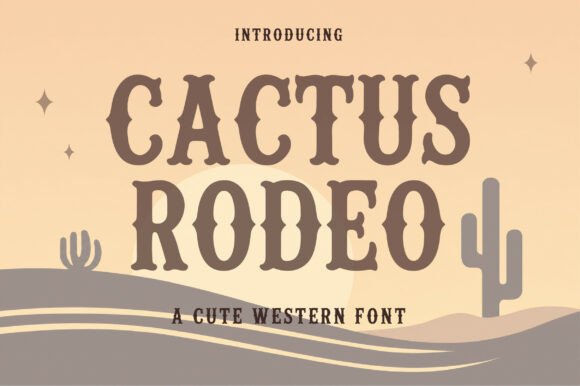
The letterforms feature strong, slab-like serifs that provide a solid foundation. However, the defining characteristic is the worn vintage detail. Each character appears slightly weathered, as if stamped onto rough wood or aged paper. This texture is not random noise; it is strategically applied to maintain legibility while enhancing the thematic mood.
Weight and Spacing
As a heavy display typeface, Vintage Cowboy carries significant visual weight. The spacing is generous enough to prevent the distressed edges from merging into a blob at smaller sizes, but tight enough to feel cohesive in large headers. This balance makes it a professional Fonts font capable of handling both short punchy words and longer phrases without losing its structural integrity.
Best Uses for Vintage Cowboy
Because of its distinct personality, this font shines in specific contexts where atmosphere is key. Here is how you can leverage it effectively.
Vintage Cowboy for Logo Design
For businesses in the barbecue, brewery, or outdoor gear sectors, Vintage Cowboy for logo design offers instant brand recognition. The distressed look suggests heritage and durability, qualities that resonate with customers looking for authentic products. It works particularly well for monogram-style logos or badge designs.
Vintage Cowboy for Branding and Packaging
When applied to physical products, Vintage Cowboy for branding creates a tactile experience even before the customer touches the item. Imagine this font on a craft beer bottle, a bag of artisanal coffee, or a box of handmade soap. The typography tells a story of tradition and craftsmanship, elevating the perceived value of the product.
Vintage Cowboy for Wedding Invitations and Cards
Rustic weddings are increasingly popular, and Vintage Cowboy for wedding invitations/cards/typography fits perfectly into this trend. Pairing this bold header font with delicate script for the body text creates a beautiful contrast between ruggedness and romance. It is also excellent for save-the-date cards and menu boards at reception venues.
Vintage Cowboy for Posters and Social Media
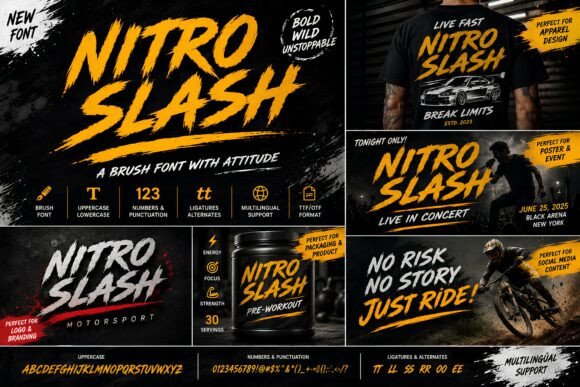
In digital spaces, Vintage Cowboy for posters/social media/packaging helps your content stand out in a feed of clean, minimalistic designs. Use it for event announcements, sale banners, or quote graphics. The high contrast ensures it remains readable even on small mobile screens.
Font Pairing & Combinations
One of the most common questions designers ask is, what fonts pair well with Vintage Cowboy? Because it is such a dominant display face, it needs supportive partners.
For a classic western look, consider a Vintage Cowboy font pairing with a clean, geometric sans-serif like Montserrat or Lato. This allows the headline to shine while keeping the body text easy to read. Alternatively, pair it with a flowing script font to soften the rugged edges, creating a dynamic tension between hard and soft elements. Avoid pairing it with other distressed or highly decorative fonts, as this can create visual clutter and reduce readability.
Licensing & Commercial Use
Before using any typeface in client work, you must understand the legalities. Many users search for is Vintage Cowboy free for commercial use. Typically, free downloads of such fonts are limited to personal projects. If you intend to use Vintage Cowboy commercial use for a client logo, product packaging, or paid advertising, you must purchase the appropriate license.
Always review the Vintage Cowboy font license included with your download. Some creators offer a "free for personal use" version and a separate "commercial license" upgrade. Ignoring these terms can lead to legal issues. Investing in the proper license ensures you support the designer and protects your business.
How to Download & Use Vintage Cowboy
Getting started is straightforward. You can often find options to download Vintage Cowboy font free for personal testing on platforms like DaFont or FontSquirrel. For broader commercial libraries, check CreativeFabrica or Google Fonts if available. Once downloaded, installing the font is simple on both Windows and Mac systems.
Many designers wonder how to use Vintage Cowboy in Canva/Word/Photoshop. In Photoshop and Illustrator, you can apply additional texture overlays to enhance the distressed look further. In Canva, upload the .otf or .ttf file if you have a Pro account, or use the native integration if available. In Microsoft Word, it functions like any other system font, perfect for creating rustic flyers or internal documents with flair.
Designer Notes & Tips
To get the most out of this typeface, consider these professional tips. First, always test Vintage Cowboy in black and white before adding color. The distress details should be visible without relying on color contrast. Second, be mindful of size. While it is a display font, pushing it too small will cause the distressed edges to disappear or look like printing errors.
When comparing Vintage Cowboy vs similar font options, look for clarity in the counter spaces (the empty space inside letters like 'o' or 'e'). Superior western fonts maintain open counters even with heavy distressing. Finally, remember that less is more. Let Vintage Cowboy be the hero of your design, supported by ample white space and minimalistic secondary elements.